How can EU bubble bosses do better?
- PEOPLE PLANET PLACE 9 Rue Emmanuel Van Driessche Ixelles, Bruxelles, 1050 Belgium (map)
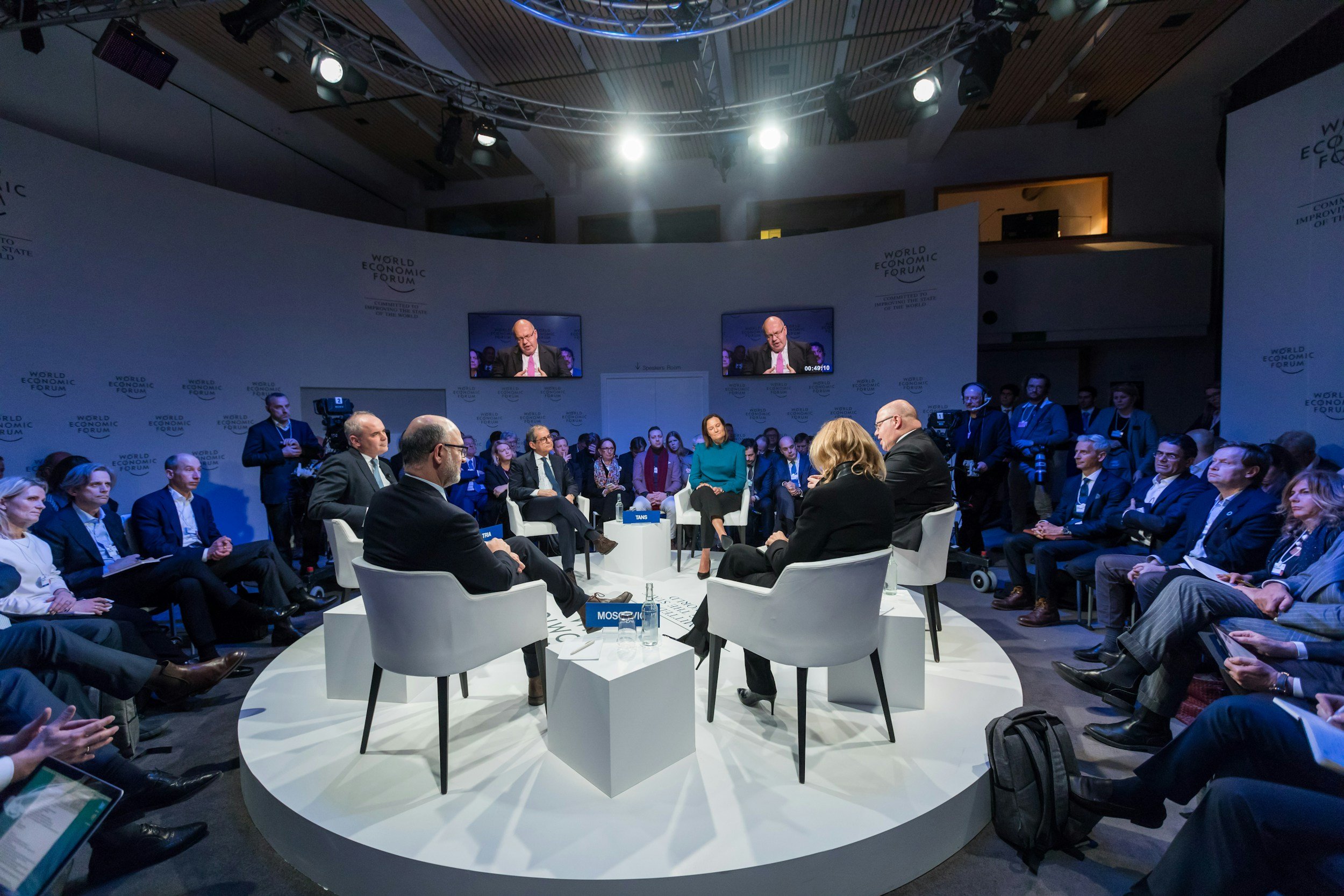
Folks from the different spheres of the EU policymaking space attended the first listening session! The session brought to light some hard truths in Brussels' policymaking workplaces. It was not all sad news, it showed incredible talent, willpower to figure it out and constructive suggestions on what is expected of EU bosses.
Major thanks to everyone who attended, shared their stories, and listened. Your contributions emphasised that the responsibility to create a healthy work environment should rest with those in power, not solely on those affected.
Thanks to Brett Kobie for his help in co-designing the session.
☝️Photo credit: Malte Ketelsen from Bump
The session was held against the backdrop of…
Why the focus on only bosses though?
This is not a blame game, but we know that:
Bosses are people managers who have the responsibility to ensure realistic workloads, psychological safety of their direct reports, and mentoring over management. #yestheyforgetsometimes
Bosses (in our case, policy experts) also have tremendous influence in Brussels orgs; they set the tone for the organisation's culture by their own actions, which is pivotal in modeling behavior and practices others follow.
Bosses also control resources (budget, time, etc. ...) and have the authority to prioritise initiatives in the office that builds better well-being, professional progress, and a positive work environment.
Blog
Brussels is really good at explaining industries. Reports packed with evidence. Events with brilliant speakers. Policymakers, CEOs, experts, researchers, all in one room discussing Europe's biggest challenges. That's what we do well here. But after enough of those events, I started wondering. A few months later, what actually stays with people? The graph showing investment growth? The pretty stat about European jobs? The panel discussion where a lot of audience members were on their phone multi-tasking? Or is it the story about the engineer trying to build Europe's AI infrastructure? The scientist who's spent ten years developing a new therapy? The cybersecurity expert protecting critical systems every single day?
There is a strange phenomenon that happens in many organisations. The event goes well. The room is full. The speakers are excellent. The CEO is happy. Stakeholders leave feeling energised. The LinkedIn posts perform well. The feedback forms are positive. Everyone agrees the event was a success. Fast forward six months to performance review season. Suddenly, nobody remembers what it took to get there.
With all the conversations about AI-generated content and "AI slop," it feels like an opportune moment to talk about creativity. Yet in Brussels, many of us spend our days trying to influence policymakers, stakeholders, and decision-makers, while often shying away from creative approaches ourselves. The reasons are familiar.